Financial Compliance: What It Is and Why It Matters
Updated April 12, 2026
Financial compliance requires tracking regulations across multiple agencies
Financial compliance is not optional. Every business that handles money, processes payments, or touches customer financial data operates under a set of regulations. Violate them, and you face fines, lawsuits, and reputational damage that can take years to recover from.
This guide covers what financial compliance actually means, the major regulations you need to know, the most common compliance risks, and how to build a monitoring system that keeps you ahead of regulatory changes.
Disclosure & Editorial Standards: This article is written by the Visualping marketing team. Visualping is one of the tools referenced in this guide and may benefit if you choose to purchase our product. We encourage you to try our free trial to see if we're a good fit for your compliance monitoring needs, but we recommend testing multiple tools. Your specific needs may be better served by a competitor. Trust and transparency are the foundation of our content.
In this guide:
- What Is Financial Compliance?
- Why Financial Compliance Matters
- Key Financial Compliance Regulations
- The 6 Most Common Financial Compliance Risks
- How to Build a Financial Compliance Monitoring System
- Financial Compliance by Industry
- FAQ: Financial Compliance
What Is Financial Compliance?
Financial compliance is the practice of following laws, regulations, and internal policies that govern how a business handles financial transactions, reporting, and data. It applies to every company, not just banks and financial institutions.
The scope includes:
- Transaction reporting: Accurately recording and disclosing financial transactions to regulators
- Anti-money laundering (AML): Detecting and preventing the use of financial systems for money laundering or terrorism financing
- Data protection: Safeguarding customer financial information from unauthorized access or breaches
- Tax compliance: Filing accurate returns and maintaining proper documentation
- Consumer protection: Treating customers fairly in lending, credit, and financial product sales
Financial compliance requirements come from multiple sources: federal law, state regulations, industry standards, and international frameworks. A single business might need to comply with half a dozen different regulatory bodies depending on what it does and where it operates.
Why Financial Compliance Matters
Fines Are Large and Getting Larger
Compliance failures carry serious financial penalties for institutions of every size, particularly around AML, data privacy, and consumer protection. The Consumer Financial Protection Bureau (CFPB) has stepped up enforcement steadily since its founding. In the EU, GDPR fines exceeded €5 billion cumulatively by end of 2024, with single penalties reaching hundreds of millions.
Legal Liability Extends to Individuals
Compliance failures hit the company and the people who run it. Officers, directors, and compliance managers can face personal liability. The SEC, DOJ, and FinCEN have all pursued individual enforcement actions in recent years. If your company lacks a documented compliance program, proving good faith becomes very difficult.
Data Breaches Erode Customer Trust
Financial data breaches are among the most damaging. The Equifax breach in 2017 exposed Social Security numbers and credit card data of 147 million people. Equifax paid $575 million in total settlements to the FTC, CFPB, and 50 states, including up to $425 million earmarked for consumer compensation. More importantly, customer trust took years to rebuild.
Companies that handle financial data (credit card numbers, bank accounts, tax IDs) face heightened scrutiny under PCI DSS, GLBA, and state data breach notification laws.
Regulations Change Constantly
Financial compliance is not a one-time setup. Regulations change, new rules get introduced, and enforcement priorities shift. The pace accelerated sharply after the pandemic. Relief programs triggered new fraud reporting requirements, cryptocurrency regulations evolved rapidly, and data privacy laws expanded globally.
Businesses that do not monitor regulatory compliance changes risk falling out of compliance without realizing it.
Key Financial Compliance Regulations
SOX (Sarbanes-Oxley Act)
SOX applies to all publicly traded companies in the US. Enacted after the Enron and WorldCom scandals, it requires accurate financial reporting, internal controls over financial data, and CEO/CFO certification of financial statements.
Key requirements:
- Section 302: CEO and CFO must personally certify the accuracy of financial reports
- Section 404: Companies must establish and report on internal controls over financial reporting
- Section 802: Criminal penalties for destroying, altering, or fabricating financial records
Non-compliance can result in fines up to $5 million and prison sentences up to 20 years.
AML and BSA (Bank Secrecy Act)
The Bank Secrecy Act and subsequent AML regulations require financial institutions to detect and report suspicious activity. FinCEN enforces these rules, which also apply to non-bank financial businesses: money service businesses, casinos, insurance companies, and increasingly, cryptocurrency exchanges.
Requirements include:
- Customer identification programs (CIP) and Know Your Customer (KYC) procedures
- Suspicious Activity Reports (SARs) for transactions that may indicate money laundering
- Currency Transaction Reports (CTRs) for cash transactions over $10,000
- Ongoing transaction monitoring and record-keeping
Sanctions screening is a particularly time-sensitive AML control. A sample of Visualping users runs 940 active monitors on OFAC and consolidated sanctions lists, with an average recheck interval of 2.8 hours.
The Corporate Transparency Act, effective 2024, adds beneficial ownership reporting requirements for most US companies.
Canadian AML: PCMLTFA, FINTRAC, and OSFI
In Canada, anti-money laundering and counter-terrorist financing rules sit under the Proceeds of Crime (Money Laundering) and Terrorist Financing Act (PCMLTFA). Two regulators share oversight. FINTRAC is the financial intelligence unit responsible for reporting requirements, compliance examinations, and administrative penalties. The Office of the Superintendent of Financial Institutions (OSFI) supervises federally regulated banks, insurers, and trust companies for prudential and operational risk. That includes oversight of the controls institutions put in place to meet their PCMLTFA obligations.
PCMLTFA covers reporting entities far beyond banks. The current list includes financial entities, securities dealers, money services businesses, real estate brokers, accountants, casinos, mortgage lenders, life insurers, dealers in precious metals and stones, British Columbia notaries, and armoured car services. The sectoral scope keeps expanding. In 2025 alone, FINTRAC added cheque cashers, factors, and financing and leasing entities (April 2025), then title insurers and acquirer services for private automated banking machines (October 2025). Each sector has its own obligations and guidance.
Reporting entities must:
- File Suspicious Transaction Reports (STRs) when there are reasonable grounds to suspect ML/TF activity
- File Large Cash Transaction Reports (LCTRs) for cash transactions of CAD $10,000 or more in a 24-hour period
- File Electronic Funds Transfer Reports (EFTRs) for international transfers of CAD $10,000 or more
- File Large Virtual Currency Transaction Reports (LVCTRs) for virtual currency transactions of CAD $10,000 or more
- Maintain a written compliance program and conduct an effectiveness review at least every two years
The challenge for compliance teams is the publication cadence. FINTRAC publishes sector-specific guidance, risk assessment updates, and operational alerts throughout the year. Indicator documents, where the most actionable red flag content lives, update without fanfare. A compliance officer at a Canadian mortgage lender or securities dealer tracks dozens of FINTRAC publications. They may not learn that their sector's guidance expanded until weeks later.
Automated monitoring closes that gap. Tools like Visualping watch FINTRAC and OSFI publication pages directly, alert when new guidance is posted, and detect when the underlying documents change. A sample of Visualping users currently runs 4,187 active monitors across Canadian government and regulator domains, including FINTRAC, OSFI, FCAC, the AMF, FSRA, the Bank of Canada, and canada.ca, spread across 1,160 distinct customers.
PCI DSS (Payment Card Industry Data Security Standard)
PCI DSS applies to any organization that accepts, processes, stores, or transmits credit card data. It is not a government regulation but an industry standard enforced through card network agreements. Non-compliance can result in fines of $5,000 to $100,000 per month from card networks, plus liability for breach costs.
The standard covers 12 requirement categories including network security, encryption, access controls, and regular testing.
 Key regulations span data security, anti-money laundering, and financial reporting
GDPR and Data Privacy
The EU's General Data Protection Regulation applies to any company that handles the personal data of EU residents, regardless of where the company is based. Financial data receives special protection as a "special category" under GDPR.
Fines reach up to 4% of annual global revenue or 20 million euros, whichever is higher. Similar laws now exist in California (CCPA/CPRA), Virginia, Colorado, Connecticut, and other US states.
GLBA (Gramm-Leach-Bliley Act)
GLBA requires financial institutions to explain their information-sharing practices and safeguard sensitive data. The FTC's Safeguards Rule (updated 2023) added specific technical requirements: encryption, multi-factor authentication, access controls, and incident response plans.
FCPA (Foreign Corrupt Practices Act)
FCPA prohibits US companies from bribing foreign officials. It applies to any company with US securities or business operations. Violations carry both criminal and civil penalties, with recent enforcement actions producing fines exceeding $1 billion.
The 6 Most Common Financial Compliance Risks
1. Failure to Monitor Regulatory Changes
Regulations change frequently. A company that was compliant last year may not be compliant today if new rules took effect. This is the most preventable compliance risk: it happens when teams rely on manual monitoring of regulatory websites instead of automated alerts.
Visualping's compliance monitoring tracks regulatory website changes automatically. Set it to monitor the pages of regulatory bodies relevant to your industry (SEC, FinCEN, CFPB, state regulators) and get alerts when new rules, guidance, or enforcement actions are published. A sample of Visualping users runs 8,712 active monitors across global financial regulator domains, including the SEC, CFPB, Federal Reserve, FCA, FINRA, FinCEN, and Treasury.
2. Inadequate AML Controls
Weak Know Your Customer procedures and insufficient transaction monitoring are among the most frequently cited violations in enforcement actions. FinCEN, the OCC, and state banking regulators consistently target institutions with underfunded AML programs.
3. Data Security Gaps
Storing financial data without adequate security controls violates PCI DSS, GLBA, and potentially GDPR. Common gaps include unencrypted data at rest, weak access controls, failure to patch known vulnerabilities, and insufficient logging. Website defacement monitoring can detect unauthorized changes to public-facing pages that may signal a broader security breach.
4. Incomplete or Inaccurate Reporting
SOX, BSA, and tax compliance all require accurate reporting. Errors in financial statements, late SAR filings, or incorrect tax filings trigger regulatory scrutiny. Automated reporting systems reduce this risk, but they require ongoing validation.
5. Third-Party Vendor Risk
If a vendor handles your financial data or processes transactions on your behalf, their compliance failures become your problem. Regulators hold the contracting company responsible. Vendor due diligence and ongoing compliance monitoring are requirements under GLBA, PCI DSS, and OCC guidance.
6. Insufficient Training and Documentation
Regulators expect documented compliance programs with regular employee training. An unwritten policy is, from a regulatory perspective, no policy at all. Documentation gaps are easy to fix but frequently overlooked until an audit reveals them.
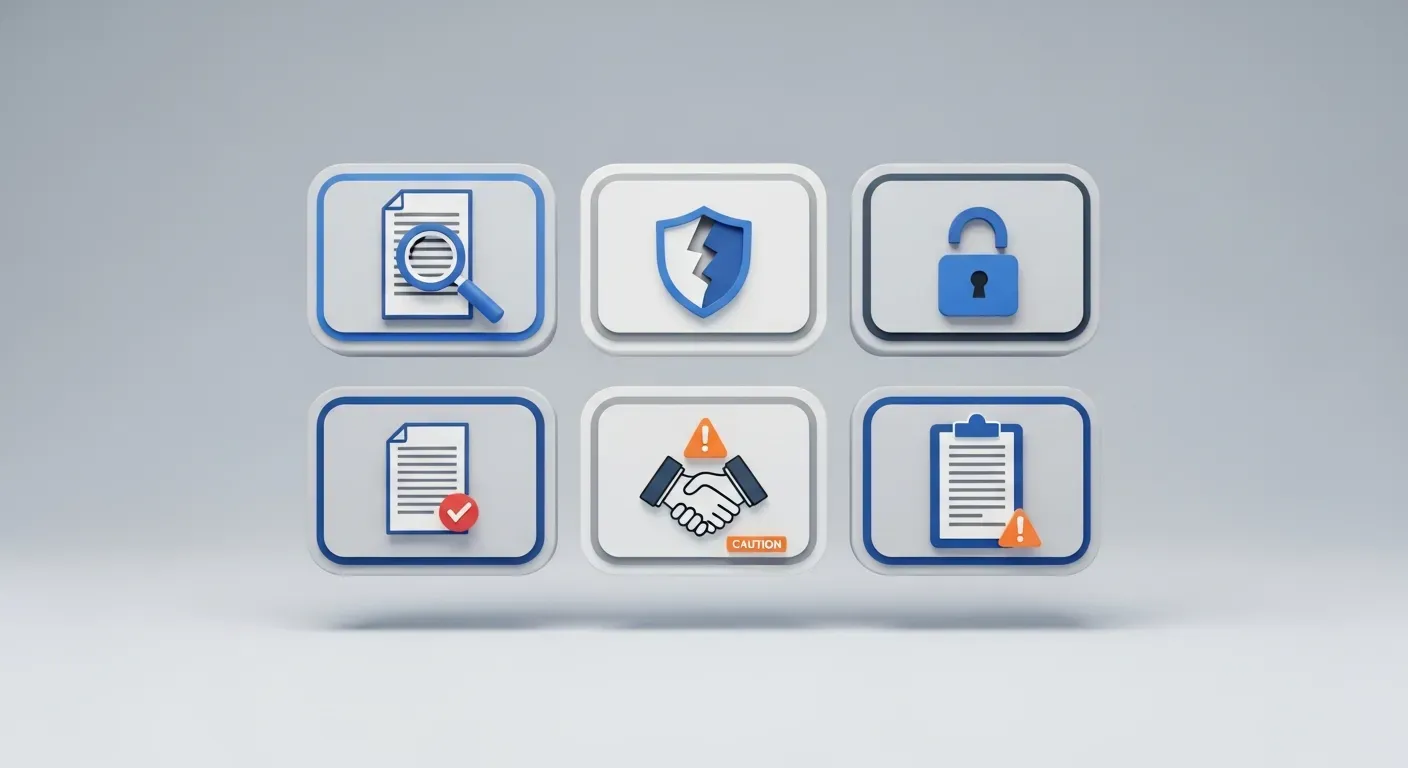 Six categories of compliance risk, from monitoring gaps to vendor exposure
How to Build a Financial Compliance Monitoring System
Step 1: Map Your Regulatory Requirements
Identify every regulation that applies to your business. This depends on:
| Factor | Determines |
|---|---|
| Industry | Which regulators have jurisdiction (SEC, FinCEN, CFPB, state banking departments, etc.) |
| Geography | Which data privacy laws apply (GDPR, CCPA, state laws) |
| Business activities | Which transaction and reporting rules apply (BSA, PCI DSS, FCPA) |
| Company size/status | Whether SOX, SEC reporting, or other size-based requirements apply |
Step 2: Set Up Automated Regulatory Monitoring
Manual monitoring of regulatory websites does not scale. A sample of Visualping users includes 187 enterprise compliance teams that each track 100 or more regulator and government pages, averaging 581 URLs per team. At that volume, automated compliance alerts are the only practical workflow. One limitation: automated monitoring catches published changes to web pages. It does not replace the legal analysis needed to determine how a specific rule change applies to your compliance program.
With Visualping, you can monitor regulatory pages directly:
- Go to visualping.io and paste the URL of a regulatory page (e.g., the CFPB enforcement page, FinCEN advisories, SEC rulemaking page)
- Select the area of the page that contains new announcements or rule changes
- Set the check frequency (daily for active regulators, weekly for slower-changing pages)
- Get email alerts with a visual comparison showing exactly what changed
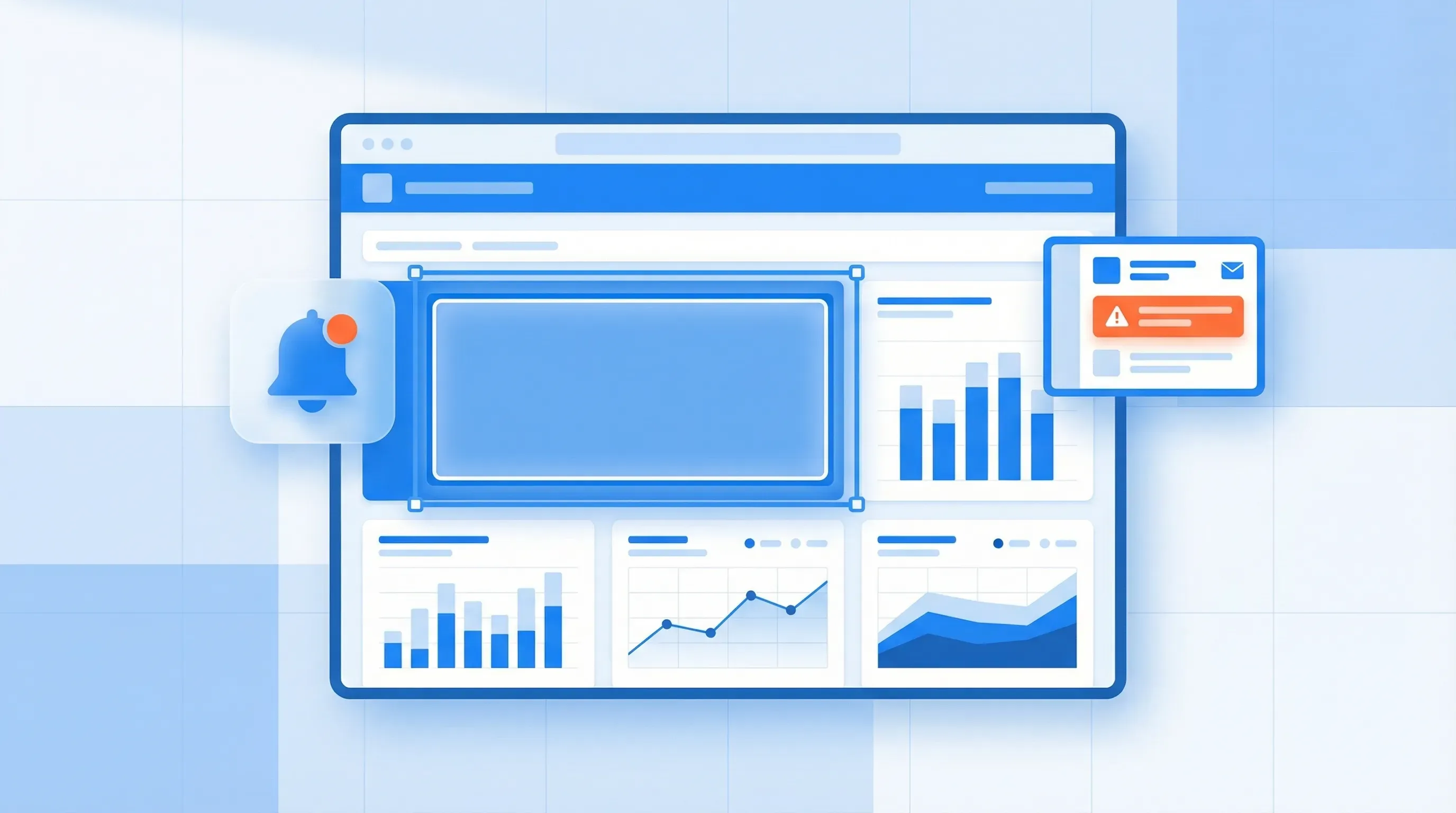 Automated monitoring catches regulatory changes the moment they publish
This replaces the manual process of checking regulatory websites and subscribing to scattered email lists. One dashboard, all your regulatory sources.
Go deeper: How to Monitor Regulatory Compliance Changes | Track Multiple Regulatory Websites
Step 3: Establish Internal Controls
Based on the regulations you mapped in Step 1, document internal controls:
- Access controls: Who can access financial data, and how access is logged
- Transaction monitoring: Automated rules that flag suspicious activity for SAR review
- Reporting workflows: Who prepares regulatory filings, who reviews them, and what the deadlines are
- Incident response: What happens when a breach, violation, or suspicious activity is detected
- Record retention: How long records are kept and how they are secured
Step 4: Train Your Team
Document your compliance program and train every employee who touches financial data or regulatory processes. Regulators look for evidence of regular training when evaluating whether a company made a good-faith compliance effort.
Training should cover:
- Which regulations apply to the employee's role
- How to identify and report suspicious activity
- Data handling procedures
- What to do if they suspect a compliance violation
Step 5: Monitor, Audit, and Update
Financial compliance is ongoing. Schedule regular internal audits to verify that controls are working. When regulations change (and your monitoring system alerts you), update your controls and retrain affected staff.
Financial Compliance by Industry
Banking and Financial Services
Banks face the most comprehensive compliance requirements: BSA/AML, SOX (if publicly traded), GLBA, CRA (Community Reinvestment Act), Dodd-Frank, and examination by the OCC, FDIC, or Federal Reserve. Compliance teams at large banks often number in the hundreds.
Fintech and Payments
Fintech companies frequently underestimate their compliance burden. Money transmission licenses, BSA/AML requirements, PCI DSS, and state lending laws all apply depending on the business model. Regulatory scrutiny of fintech intensified after 2023.
Healthcare
Healthcare organizations that process payments face both HIPAA (patient data protection) and financial compliance requirements. The intersection creates compound risk: a single breach can trigger enforcement from HHS (HIPAA), the FTC, state attorneys general, and PCI DSS assessors simultaneously.
E-Commerce and Retail
Any business that accepts credit cards must comply with PCI DSS. Larger retailers also face FTC consumer protection rules, state sales tax requirements, and (if selling to EU customers) GDPR. Data privacy compliance costs have risen sharply as more states pass comprehensive privacy laws.
Cryptocurrency and Digital Assets
Crypto businesses operate in fast-moving regulatory territory. FinCEN treats many crypto businesses as money service businesses subject to BSA/AML. The SEC has taken enforcement action against exchanges and token issuers. The EU's MiCA regulation (effective 2024) created the first comprehensive crypto regulatory framework.
Rules change fast here, and enforcement precedents are still being set. Missing an update carries more risk in crypto than in almost any other sector.
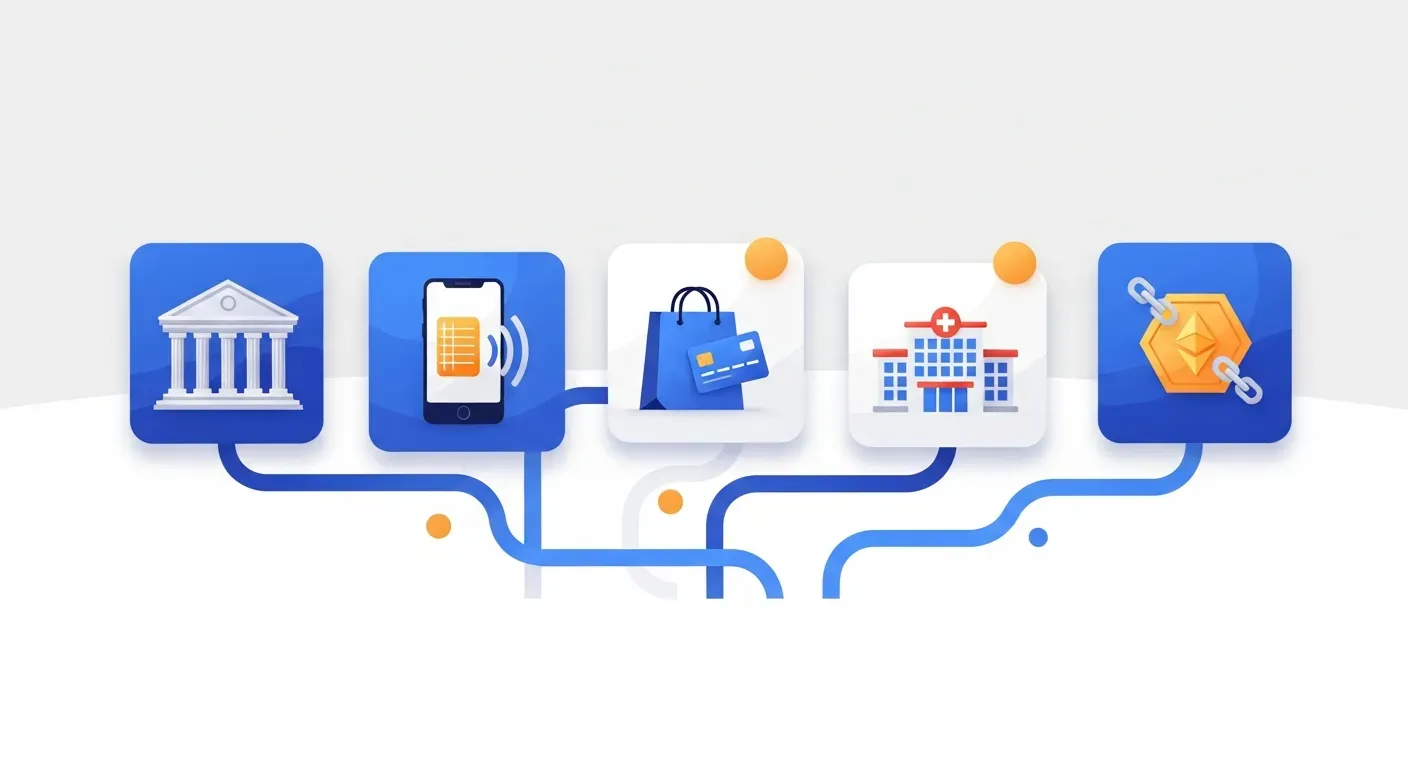 Every sector faces compliance requirements, but the regulatory mix differs
FAQ: Financial Compliance
What is financial compliance? Financial compliance is the practice of following laws, regulations, and internal policies that govern financial transactions, reporting, and data protection. It applies to any business that handles money or customer financial data, not just banks and financial institutions.
What are the most important financial compliance regulations? The key regulations are SOX (financial reporting for public companies), BSA/AML (anti-money laundering), PCI DSS (payment card data security), GDPR and CCPA (data privacy), GLBA (financial institution data safeguards), and FCPA (anti-bribery). Which ones apply depends on your industry, geography, and business activities.
How often do financial compliance regulations change? Frequently. Federal agencies like the SEC, FinCEN, and CFPB publish new rules and guidance throughout the year. State-level regulations change even more often. Automated monitoring tools help compliance teams track changes across multiple regulatory sources.
What happens if a business fails to comply with financial regulations? Consequences include monetary fines (ranging from thousands to billions of dollars), criminal prosecution of individuals, civil lawsuits, loss of business licenses, and reputational damage. Severity depends on the regulation violated and whether the violation was willful.
How can small businesses manage financial compliance? Start by identifying which regulations apply to your business. Document your compliance policies. Use automated tools to monitor regulatory changes. Train employees on compliance requirements. Consider engaging a compliance consultant for initial setup if you lack in-house expertise.
What is the difference between financial compliance and regulatory compliance? Financial compliance is a subset of regulatory compliance focused specifically on financial laws and regulations. Regulatory compliance is broader and includes any industry-specific regulation (environmental, safety, healthcare, etc.).
How do I monitor financial compliance changes? Use a page monitoring agent (also known as a website monitoring tool) like Visualping to track regulatory agency websites for changes. Set up alerts on pages where regulators publish new rules, enforcement actions, and guidance documents. This replaces manual checking and ensures you do not miss updates.
What is a financial compliance officer? A compliance officer is the person responsible for ensuring a company meets its regulatory obligations. In financial services, this role is often required by law. The compliance officer develops policies, monitors adherence, manages regulatory relationships, and reports to the board on compliance status.
Want to monitor web changes that impact your business?
Sign up with Visualping to get alerted of important updates from anywhere online.
Eric Do Couto
Eric Do Couto is the Head of Marketing at Visualping. He leads content strategy, growth operations, and brand positioning for website change detection.
More articles by Eric Do Couto