Website Monitoring in March 2026: Examples and a Data Correction
Updated October 29, 2026

Illustration of website monitoring, not a visualization of a measured March cohort.
Correction: The earlier version presented March 2026 user and signup-reason counts, rankings, personal-versus-business account shares, check frequencies and detection rates as findings from Visualping data. It also claimed out-of-stock alerts had led signup reasons for several months. We could not recover the dated extraction and definitions needed to substantiate these claims, so we have withdrawn them and the associated table and charts. We also removed a $1.2 trillion out-of-stock estimate attributed to IHL Group because the source description available to us did not confirm it. The examples below retain the March 2026 context where dated public sources support it. They are not a ranking of the internet or a new platform study.
A useful monitoring question starts with a decision: whether registration has opened, whether an offer meets your criteria, or whether a document needs review. A saved URL and its check interval do not establish what its owner intended or what happened after an alert.
A March example: Marathon du Médoc registration
The Marathon du Médoc provides a concrete example of an opening date that required attention. Its 2026 registration notice (in French) said registration would open in early March without a precise date and that no opening email alert would be sent.
Those were the organizer's announced arrangements. They explain why someone might watch the registration page; they do not establish how many Visualping accounts did so, when a monitor detected the opening, or whether anyone obtained a place. A page-change alert would still need to be checked against the registration form.
 Visualping illustration. It is not organizer material and does not depict measured monitor settings or outcomes.
Retail monitoring: choose the page for the decision
For a specific item, start with the product page and verify that the captured content includes the relevant option and availability message. For a broader question, such as whether a category has added a new listing, inspect the listing page instead. Either page can change for reasons unrelated to stock.
Check what a stock alert actually means
For a Pokémon restock watch, identify the exact item and option you want before configuring an alert. Read the captured difference and verify current availability with the retailer. A changed price, image or stock label does not prove an order could be completed.
Go deeper: How to Set Up Restock Alerts | In-Stock Alert Guide | Price Tracker and Deal Alerts
Separate availability alerts from price alerts
An availability condition and a price condition answer different questions. State the condition you want the monitor to assess, then check the actual offer after an alert. The same principle applies to competitor monitoring, news and regulatory updates: define the change that would cause you to act.
For industry context, IHL Group’s 2025 study estimated that inventory distortion cost retailers worldwide $1.77 trillion in 2025. That industry estimate does not measure Visualping users’ behavior.
The Costco example
A Costco monitor should be tied to the product, region and purchase option you intend to check. Confirm that the preview shows the relevant page content. After an alert, inspect the current offer before deciding whether to buy.
Government pages: define the document and deadline
For a regulatory monitoring workflow, choose the official document or announcement that answers your question. Record the publisher's dates and review the substance of any detected change. A capture time is an observation time; it does not by itself establish a rule's effective date or a filing deadline.
Steam: a scheduled event in March
Valve's first-half 2026 schedule listed the Steam Spring Sale for March 19–26, 2026. A published event window gives readers a date to put on a calendar. Monitoring can address a narrower question, such as whether the displayed offer for a chosen game changes.
What a monitoring dataset can establish
A dated configuration snapshot can show which pages were saved and how those monitors were configured at that time. Establishing what the monitors actually captured requires check and change records. Establishing a successful registration or purchase requires separate outcome evidence.
For a historical comparison, the records must also define the reporting window, exclusions, how unique account owners were counted and how overlapping categories were counted. Current settings cannot reconstruct all of those March observations.
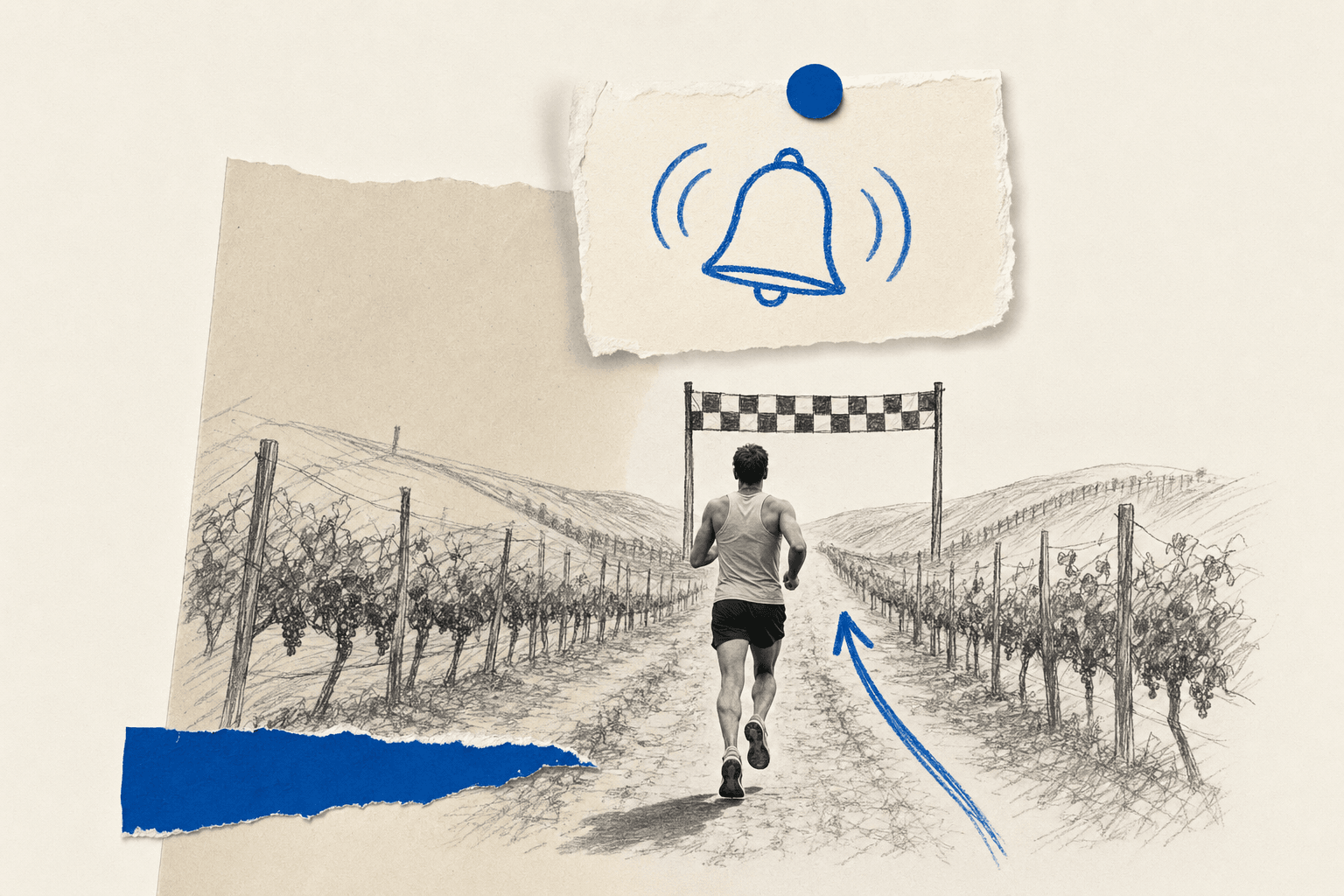 Illustration, not a documented registration or race outcome.
Frequently asked questions
What are the most monitored websites?
This article no longer makes a March 2026 ranking. We could not recover dated source records for the earlier figures, which also mixed individual domains with combined regional domains. A defensible ranking would need one consistent unit and a documented cohort.
Why do people use website monitoring?
Possible monitoring questions include availability, price changes, news, competitor updates and regulatory documents. Choose the page and condition that answer your question, then confirm the captured content is relevant.
Do businesses monitor websites differently than individuals?
Different workflows can have different review and delivery needs. For a shared workflow, decide who will review an alert and what evidence they need. Account type alone does not identify a monitor’s purpose.
What is the most common website monitoring frequency?
This article does not establish a most common frequency. When configuring a monitor today, choose an interval your plan and monthly check allowance can sustain. See current Visualping plans; a fastest permitted interval does not guarantee enough checks to run at that rate throughout the month.
How effective is website monitoring at catching changes?
Effectiveness depends on successful captures, the selected content, the time between checks and the alert settings. A change can occur between captures, and AI assessments can be wrong. Assess the captured changes separately from the outcome you wanted, such as a successful purchase or registration.
Want to monitor web changes that impact your business?
Sign up with Visualping to get alerts about changes on the web pages you monitor.
Eric Do Couto
Eric Do Couto is the Head of Marketing at Visualping. He leads content strategy, growth operations, and brand positioning for website change detection.
More articles by Eric Do Couto